




Introduction
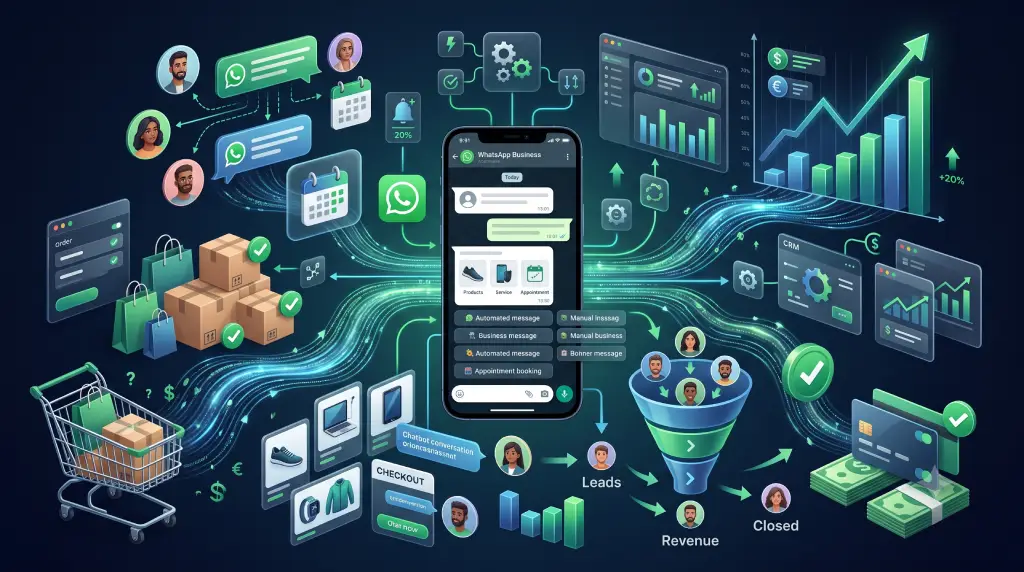
When I audit a company’s messaging strategy, the biggest missed opportunity rarely lies in how they handle support, it’s how they handle sales. In the first half of our WhatsApp Business API blog, we explored foundational use cases like ticketing and transactional alerts. Now, it’s time to look at the workflows that actually move the needle on your P&L. If you want to stop leaving money on the table, this is where the real growth happens. Let us look into the advanced strategies high-performing brands use to recover abandoned carts, automate renewals, and turn ad spend directly into closed deals.
1. Abandoned Cart Recovery & Customer Re-Engagement
How does WhatsApp Business API recover abandoned carts?
Businesses use WhatsApp automation to send personalized, opt-in recovery messages to shoppers who leave products in their online cart. These messages feature dynamic product images, instant checkout links, and automated query handling to resolve buying friction instantly.
.webp)
Strategic Re-Engagement Workflows
Moving beyond generic cart recovery, sales teams use WhatsApp for targeted customer re-engagement:
Hyper-Personalized Product Recommendations: Triggered by past browsing or purchase history.
Back-in-Stock Alerts: Instant alerts sent the moment high-demand inventory re-enters stock.
Segmented Promotional Campaigns: Targeted seasonal offers delivered to specific buyer cohorts.
VIP Customer Reactivation: Re-engaging dormant accounts with exclusive incentives.
Compliance Tip: All WhatsApp re-engagement must strictly rely on explicit customer consent (opt-ins) and approved Meta message templates. Bulk unsolicited promotional messaging degrades sender quality scores and risks account bans.
2. Subscription, Contract, and Renewal Reminders
Can WhatsApp Business API automate subscription renewals?
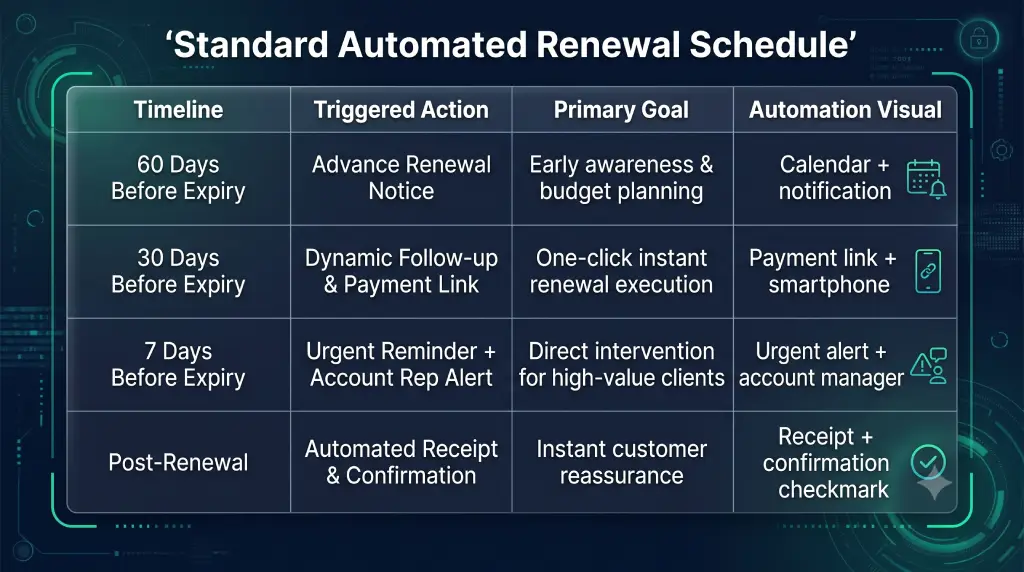
Yes. By connecting your CRM or ERP system to the WhatsApp Business API, you can trigger scheduled automated reminders for software subscriptions, annual maintenance contracts (AMCs), insurance policies, and service plans long before they expire.
Operational Impact
Automating renewal sequences turns routine administrative outreach into a predictable retention engine. When an account requires white-glove attention, the automated system alerts the designated account manager, combining automated efficiency with human relationship management.
3. Click-to-WhatsApp Advertising
What are Click-to-WhatsApp ads?
Click-to-WhatsApp ads are Meta advertisements (placed across Facebook and Instagram) that link directly into a WhatsApp chat thread instead of an external landing page. This eliminates friction by allowing prospective buyers to initiate an instant, interactive conversation with your business.
Accelerating the Sales Funnel
.webp)
Why Sales Teams Prefer Click-to-WhatsApp Ads
Higher Conversion Rates: Replaces high-friction lead forms with an instant 1-on-1 dialogue.
Pre-Qualified Leads: Chatbots handle preliminary qualification questions before routing high-intent prospects to senior sales representatives.
Higher Capture Rates: Even if a user pauses mid-conversation, your sales team retains an open, permitted chat thread for follow-up within Meta’s standard messaging window.
4. Customer Feedback, CSAT, and Service Surveys
Can WhatsApp Business API collect customer feedback?
Yes. The WhatsApp Business API allows companies to deliver quick interactive surveys, such as Customer Satisfaction (CSAT), Net Promoter Score (NPS), or post-service review,directly inside the chat window immediately following an interaction.
Interactive Feedback Experience
Instead of sending external survey links that yield sub-5% response rates, WhatsApp surveys deliver response rates as high as 40–50% using interactive buttons:
.webp)
Closed-Loop Feedback Integration
Instant CRM Logging: All ratings write back directly to the customer profile in your CRM.
Negative Feedback Alerts: A rating of "Dissatisfied" automatically opens an urgent ticket in your helpdesk and alerts a customer service manager for immediate escalation.
Review Generation: Satisfied customers can be automatically prompted to leave a public review on Google or Trustpilot.
5. Appointment, Demo, and Event Reminders
Can WhatsApp Business API reduce missed appointments?
Yes. Automated WhatsApp appointment workflows send booking confirmations, dynamic calendar invites, timely reminders, and interactive 1-click confirmation or rescheduling buttons, cutting no-shows by up to 70%.
Key Applications Across Industries
SaaS & B2B Enterprises: Automated reminders for product demos and solution discovery calls.
Professional Services & Consultants: Calendar-linked meeting confirmations and preparatory document links.
Healthcare & Clinics: Doctor appointment reminders with pre-visit intake instructions.
Field Service Teams: Technician arrival alerts with real-time ETA tracking links.
Sample Automated Demo Workflow
.webp)
Conclusion: Turning WhatsApp into a Scalable Revenue Engine
Adopting the WhatsApp Business API is no longer just about meeting customers on their favorite messaging app, it is about building an automated, connected customer infrastructure that drives measurable growth.
By replacing manual chat operations with CRM-integrated workflows, automated re-engagement, and instant feedback loops, your business can:
Recover revenue lost to cart abandonment and missed renewals.
Shorten sales cycles using direct Click-to-WhatsApp advertising.
Dramatically improve operational efficiency while maintaining a 24/7 high-touch customer experience.
Partnering for Success
To deploy these advanced workflows efficiently and maintain compliance with Meta’s evolving messaging policies, working with an experienced partner is critical.
As an official Whatsapp Business API Solution Provider (BSP), Bitsware helps enterprises design, integrate, and scale secure WhatsApp messaging infrastructures tailored to their specific CRM and operational needs. From technical integration to template strategy and workflow automation, Bitsware ensures every conversation delivers clear business ROI.
.png)